 EN
Quick Links
Why a Back Massager Is Only as Good as Its Smallest Screws
If you've ever watched a factory video at 2 a.m., you know why they're oddly satisfying: hands, tiny parts, and a rhythm that makes sense. On our production floor, that rhythm turns bare circuit boards, white plastic housings, and a handful of screws into the massage devices customers rely on every day.
At this station, technicians fit the control board into the shell and fasten every screw by hand. An automated screw feeder keeps the right size ready — no dropped hardware, no cross-threaded holes. Each board is seated, wired, and tested before it moves on. It looks simple on camera, but the repetition is the point: every unit goes through the exact same sequence, no shortcuts.
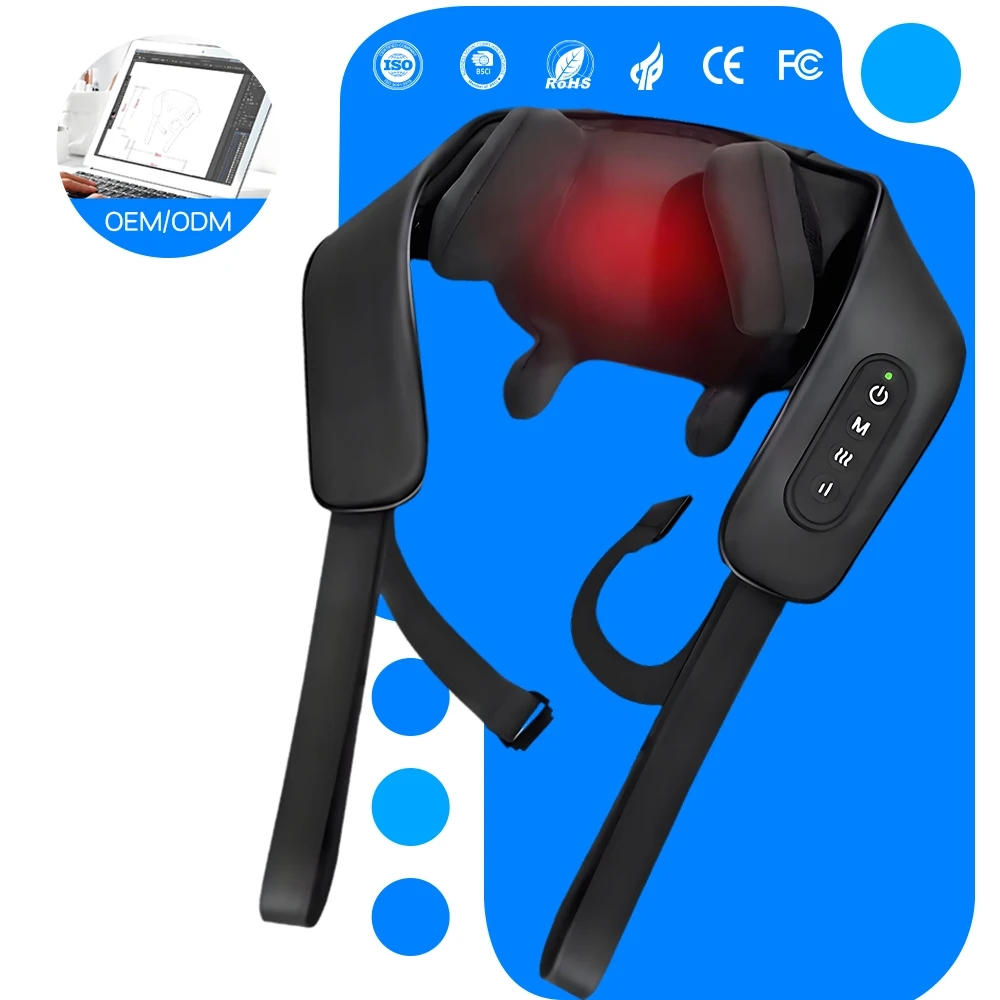
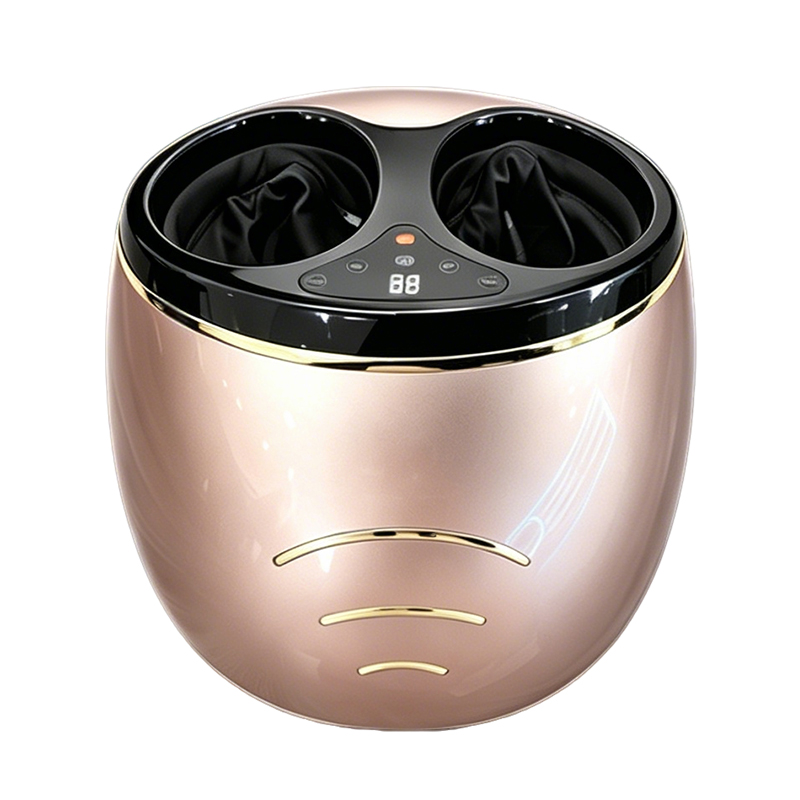
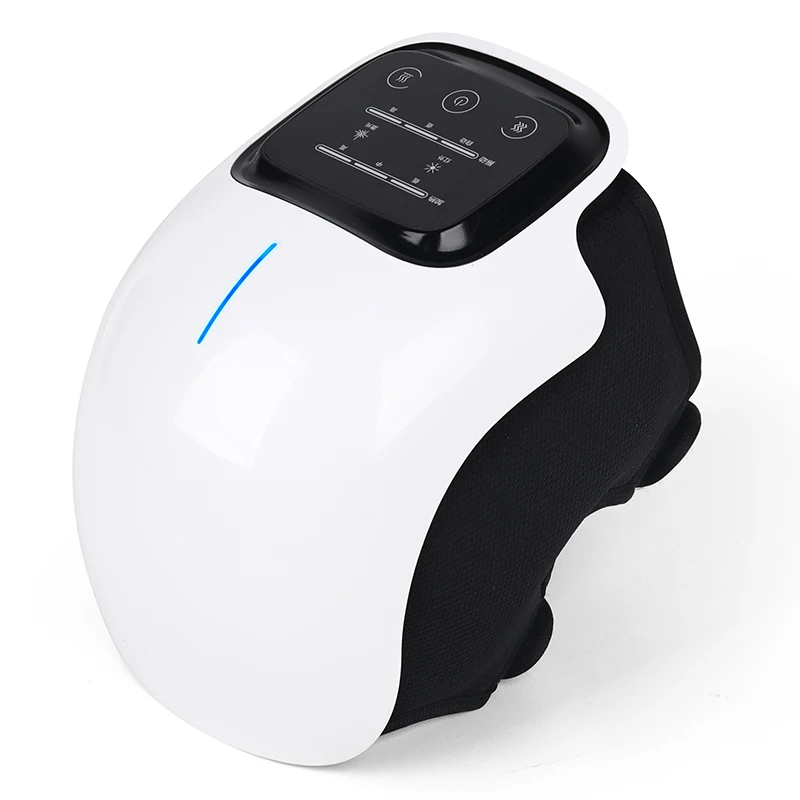
That consistency is why buyers describe our devices as the best massager they've used for daily relief. Whether it's a back massager built for deep lumbar support, a neck and shoulder model for office use, or a compact unit for travel, the assembly standards don't change. The screws are tightened to spec, the wires are secured, and the mechanism is tested twice before the cover goes on.
"People watch these videos for the sound," said Peter Chen, production manager. "But the sound is just the surface. What they're actually watching is discipline — the same hand, the same torque, the same check, unit after unit. Good massage doesn't happen by accident; it's built one screw at a time."
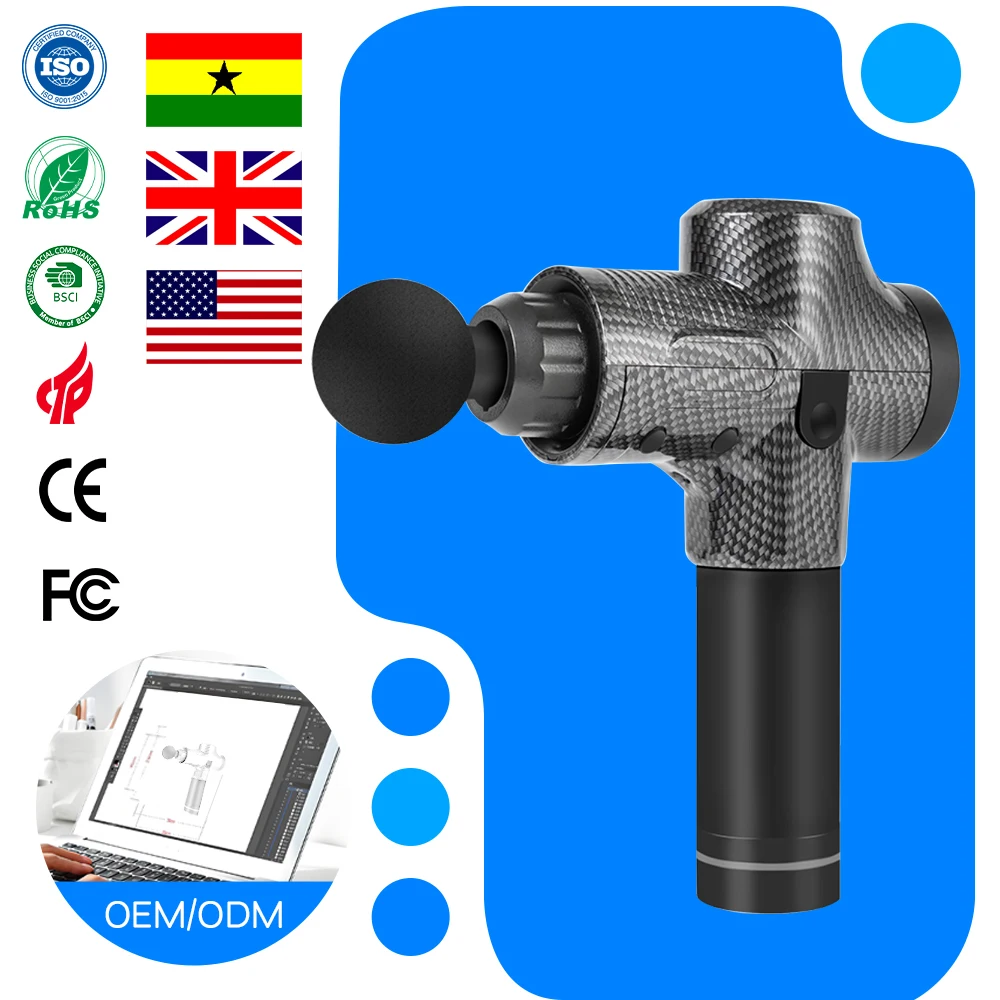
The company also reiterated its commitment to responsible sourcing at this stage, noting that all plastic housings and circuit boards are RoHS-compliant and sourced from certified suppliers — a standard repeatedly requested by European and North American buyers.
This assembly-line walkthrough has been a resounding success for the company, reinforcing its reputation as a trusted manufacturer of premium massage solutions. The team looks forward to continuing its mission of delivering exceptional quality and reliable service to clients worldwide.
 Hot News
2026-05-19
2026-05-18
2026-02-18